
Jaguar S-Type Buying Guide: A Comprehensive Overview
Navigating the Jaguar S-Type market requires diligence, considering potential transmission issues, engine faults like misfires, and prevalent oil leaks across all model years․
The Jaguar S-Type, produced from 1998 to 2008, represents a fascinating blend of classic Jaguar styling and modern engineering․ It aimed to recapture the spirit of the iconic S-Type from the 1960s, offering a luxurious and sporty driving experience․ However, prospective buyers should be aware that this generation, while appealing, isn’t without its quirks and potential issues․
This buying guide provides a comprehensive overview to help you navigate the S-Type market․ We’ll delve into the various model years, engine options – both petrol and diesel – and, crucially, the common problems that plague these vehicles․ Understanding these potential pitfalls is essential to making an informed decision and avoiding costly repairs․ From transmission concerns to engine faults and bodywork issues, we’ll cover everything you need to know to secure a rewarding S-Type ownership experience․
Model Years and Variations (1998-2008)
The Jaguar S-Type’s production spanned eleven years, witnessing several iterations and refinements․ Initial models (1998-2002) introduced the X200 platform, establishing the S-Type’s modern aesthetic; A significant facelift arrived in 2002-2004 (X202), bringing revised styling, improved interiors, and enhanced features․ These models addressed some early criticisms and offered a more polished experience․
The final iteration (2004-2008, X204/X206) saw further enhancements, including updated engine options and technology․ Variations included standard S-Type models, the sporty S-Type R with its supercharged V8, and diesel variants․ Understanding these distinctions is crucial, as each model year and trim level presents unique characteristics and potential reliability concerns․ Careful consideration of these variations will guide you towards the S-Type best suited to your needs and budget․
Engine Options: Petrol vs․ Diesel
The Jaguar S-Type offered a range of engine choices, catering to diverse preferences․ Petrol options included the refined 3․0L V6 and the powerful 4․0L V8, with the latter also available in supercharged form for the S-Type R․ These petrol engines deliver a classic Jaguar driving experience, prioritizing smoothness and performance․ However, fuel economy can be a concern․
Diesel variants, featuring a 2․7L common rail engine, provided improved fuel efficiency but are known for potential issues with the fuel injection system․ Common rail diesel systems can suffer from wear, injector failures, and pressure regulator problems․ Prospective buyers should carefully weigh the benefits of each engine type, considering their driving style, fuel costs, and tolerance for potential maintenance complexities․
4․0L V8 Petrol Engine – Performance and Reliability
The 4․0L V8 engine is a hallmark of the Jaguar S-Type, delivering robust performance and a luxurious driving experience․ Available in naturally aspirated and supercharged forms, it provides ample power and torque․ While generally reliable, potential buyers should be aware of possible coolant leaks, as reported in some 2003 models․ Regular maintenance, including coolant system inspections, is crucial․

Timing chain tensioner failures represent a significant, potentially costly repair․ Misfires and overheating can also occur, requiring thorough diagnostic checks during a pre-purchase inspection․ Despite these potential issues, the V8 remains a desirable option for those prioritizing power and refinement, provided a comprehensive inspection is undertaken․
3․0L V6 Petrol Engine – A Balanced Choice
The 3․0L V6 engine offers a compelling balance between performance and economy in the Jaguar S-Type․ It provides sufficient power for everyday driving while potentially offering improved fuel efficiency compared to the V8․ However, like all S-Type engines, it’s susceptible to common issues․ Potential buyers should be vigilant for misfires and overheating, as these are frequently reported engine faults across various model years․
Regularly scheduled maintenance is paramount to mitigating these risks․ Oil leaks should also be carefully inspected, identifying potential sources before committing to a purchase․ While generally considered more reliable than some diesel variants, a thorough pre-purchase inspection remains essential to ensure long-term ownership satisfaction․
2․7L Diesel Engine – Common Rail Issues
The 2․7L diesel engine in the Jaguar S-Type, while offering fuel economy benefits, is known for common rail system vulnerabilities․ Issues frequently arise from wear or failure of the high-pressure fuel pump (HPFP), problematic injectors – either leaking or seizing – and regulator pressure concerns․ A failing pressure sensor can also contribute to performance problems․

Potential buyers must be aware of these common rail diesel system weaknesses․ Thorough diagnostic checks are crucial, focusing on the HPFP and injectors․ Addressing these issues can be costly, so factoring potential repair expenses into the purchase price is vital․ Due diligence and a comprehensive inspection are paramount when considering a 2․7L diesel S-Type․
Common Problems and Reliability Concerns
The Jaguar S-Type, while stylish and luxurious, presents several reliability concerns prospective buyers should address․ Transmission issues are a significant worry, with many owners reporting failures and a lack of manufacturer recall․ Engine faults, encompassing misfires and overheating, are also prevalent across both petrol and diesel variants․

Furthermore, oil leaks are a common occurrence, requiring careful inspection to pinpoint the source․ A particularly costly repair involves timing chain tensioner failures․ These issues, combined with potential electrical gremlins, necessitate a thorough pre-purchase inspection․ Understanding these potential problems is crucial for making an informed decision and budgeting for future maintenance․
Transmission Issues: A Major Consideration
The Jaguar S-Type’s transmission is arguably its weakest link, frequently cited as a major reliability concern․ Numerous owners have experienced failures, ranging from minor slippage to complete breakdowns, prompting frustration due to the absence of a widespread manufacturer recall․ Both the automatic and, less commonly, manual transmissions are susceptible to problems․
Symptoms include harsh shifting, delayed engagement, and unusual noises․ Repair costs can be substantial, potentially exceeding the vehicle’s value․ A comprehensive inspection by a qualified mechanic, specifically focusing on transmission health, is paramount before purchase․ Prior service history documenting transmission maintenance is a positive sign, but doesn’t guarantee future reliability․
Misfires and Overheating: Engine Faults
Jaguar S-Type engines, both petrol and diesel, are prone to specific faults that demand careful scrutiny․ Misfires, often stemming from ignition system components or fuel delivery issues, are a common complaint․ Overheating is another significant concern, potentially caused by coolant leaks (as reported in 2003 models), a failing thermostat, or a compromised radiator․
These issues can lead to more serious engine damage if left unaddressed․ Look for signs of head gasket failure, such as milky oil or coolant in the expansion tank․ A compression test and thorough cooling system inspection are crucial during a pre-purchase assessment․ Addressing these engine faults can quickly become expensive, impacting the overall ownership experience․
Oil Leaks: Identifying Potential Sources
Oil leaks are remarkably common on the Jaguar S-Type, requiring prospective buyers to be vigilant․ Several areas are particularly susceptible․ The valve cover gaskets, rear main seal, and oil pan gasket are frequent culprits․ Inspect carefully for oil residue around these components․
Camshaft and crankshaft seals can also degrade over time, leading to noticeable leaks․ Furthermore, the oil cooler lines and connections should be examined for any signs of seepage․ A thorough inspection, potentially involving a dye test, is recommended to pinpoint the source of any leaks․ Ignoring oil leaks can lead to low oil levels and subsequent engine damage, making leak identification vital․
Timing Chain Tensioner Failures: A Costly Repair
Timing chain tensioner failures represent a significant concern for Jaguar S-Type owners, particularly those with the 4․0L V8 engine․ These tensioners, often plastic-guided, are prone to wear and breakage, leading to a rattling noise from the engine, especially on startup․
If left unaddressed, a failing tensioner can cause the timing chain to slip, resulting in severe engine damage, potentially requiring a complete engine rebuild․ Repairing or replacing the tensioners is a labor-intensive process, contributing to a substantial repair bill․ Pre-purchase, listen carefully for rattling sounds and inquire about the tensioner’s service history to avoid this costly issue․
Bodywork and Interior
The Jaguar S-Type’s bodywork, while elegant, is susceptible to corrosion, particularly in wheel arches, sills, and around the windscreen․ Thoroughly inspect these areas for bubbling paint or visible rust․ The interior generally boasts high-quality materials, but age and wear can manifest as cracked leather, worn wood trim, and malfunctioning electrical components․
Check the operation of all interior features – seats, windows, climate control – during a pre-purchase inspection․ While generally durable, the S-Type’s interior can show its age․ Addressing cosmetic issues can be costly, so factor potential refurbishment expenses into your budget when evaluating a prospective purchase․
Rust Prevention and Common Areas of Corrosion
The Jaguar S-Type, despite its British heritage, isn’t immune to rust․ Regular washing, especially during winter months with road salt, is crucial for prevention․ Common corrosion points include the wheel arches – both front and rear – the lower sections of the doors, and around the windscreen and window frames․
Inspect the sills thoroughly, as these are prone to trapping moisture․ Check underneath the car for rust on the floorpan and subframes․ Applying rust protection treatments can help mitigate future issues, but addressing existing corrosion is vital before it spreads․ Early detection and repair are key to preserving the S-Type’s structural integrity․
Interior Quality and Potential Wear & Tear
The Jaguar S-Type’s interior generally boasts good quality materials, particularly in higher trim levels featuring wood veneers and leather upholstery․ However, age and use inevitably lead to wear and tear․ Common issues include worn leather on the seats, especially the driver’s seat bolsters, and cracking or fading of the wood trim․
Check the operation of all electrical components – windows, mirrors, and the infotainment system․ Inspect the carpets for stains and wear, and examine the headlining for sagging․ Sticky or non-functional buttons on the climate control and audio system are also frequent complaints․ Addressing these issues can restore the S-Type’s luxurious feel․
Specific Model Year Considerations
Early S-Type models (1998-2002) often exhibit initial production issues, potentially requiring more frequent maintenance․ These cars may present with early signs of transmission problems or electrical gremlins․ The 2002-2004 facelift brought improvements to the interior and exterior styling, alongside refinements to the engine and transmission, making them a slightly more reliable choice․
Later models (2004-2008) represent the final enhancements to the S-Type, benefiting from accumulated improvements․ However, even these later cars aren’t immune to the common S-Type issues․ Thorough inspection is crucial regardless of the year, focusing on the areas known for potential faults, ensuring a sound investment․
Early Models (1998-2002): Initial Issues
The 1998-2002 Jaguar S-Type models, being the first of the X200 series, are prone to certain initial production quirks․ Owners frequently report early signs of transmission issues, demanding careful pre-purchase inspection․ Electrical problems, while not universal, also appear more commonly in these earlier years․ Coolant leaks, as experienced by some owners in 2003, can also surface․
Potential buyers should prioritize a comprehensive inspection focusing on the transmission’s functionality and any signs of electrical malfunctions․ These early models, while offering classic S-Type styling, may require more frequent maintenance and repairs compared to later iterations․
Facelift Models (2002-2004): Improvements and Refinements
The 2002-2004 Jaguar S-Type facelift brought notable improvements, addressing some of the initial issues found in earlier models․ These refinements included enhancements to the interior, exterior styling, and crucially, the engine and transmission systems․ While transmission concerns still warrant attention, they appear less frequently than in the 1998-2002 range․
Buyers seeking a balance between affordability and reliability should strongly consider these facelifted models․ The improvements made during this period offer a more refined driving experience and potentially lower long-term maintenance costs․ However, a thorough pre-purchase inspection remains essential, particularly focusing on the common areas of concern for the S-Type․
Later Models (2004-2008): Final Enhancements
The 2004-2008 Jaguar S-Type models represent the culmination of improvements made throughout the vehicle’s production run․ These final enhancements focused on refining existing systems and addressing lingering reliability concerns․ While not entirely eliminating potential issues, they generally offer the most dependable S-Type experience․
Expect subtle styling updates and continued improvements to the engine and transmission․ However, prospective buyers should still be vigilant regarding common S-Type problems like oil leaks and potential timing chain tensioner failures; These later models often command a higher price, reflecting their improved reliability and enhanced features, making a detailed inspection even more crucial before purchase․
Pre-Purchase Inspection Checklist
A thorough pre-purchase inspection is paramount when considering a Jaguar S-Type․ Begin with the engine, checking for misfires, overheating signs, and oil leaks – common vulnerabilities․ Scrutinize the transmission for smooth shifting and unusual noises, a major concern for this model․
Inspect the electrical system meticulously, verifying all features function correctly․ Evaluate the suspension for wear and tear, and assess the brake system’s responsiveness․ Don’t overlook a detailed bodywork examination for rust, particularly in common corrosion areas․ A professional mechanic’s assessment is highly recommended to uncover hidden issues and ensure a sound investment․
Essential Checks for Engine and Transmission
Prioritize a comprehensive engine assessment, specifically looking for signs of misfires and overheating – frequent S-Type issues․ Inspect for oil leaks around gaskets and seals, identifying potential sources․ Check coolant levels and examine the fluid for contamination․
The transmission demands meticulous scrutiny; test drive for smooth gear changes and listen for unusual noises․ Investigate service history for transmission fluid changes․ Given reported transmission problems, a professional inspection is crucial․ Verify proper operation of all engine and transmission-related sensors and components for optimal performance and reliability․
Electrical System Inspection
A thorough electrical check is paramount, as aging S-Types can exhibit electrical gremlins․ Verify the functionality of all lights – interior, exterior, and indicators․ Test all power windows, locks, and the sunroof (if equipped)․ Inspect the operation of the infotainment system, including the radio, navigation, and climate control․
Pay close attention to any warning lights on the dashboard and scan the car’s computer for stored fault codes․ Check the battery’s condition and the charging system’s output․ Ensure all sensors and actuators are functioning correctly to prevent future electrical issues and maintain vehicle reliability․
Suspension and Brake System Evaluation
A comprehensive assessment of the suspension and brakes is crucial for safety and ride comfort․ Inspect the shock absorbers and struts for leaks or damage, and assess the condition of the suspension bushings․ Listen for any unusual noises during a test drive, indicating worn components․

Thoroughly examine the brake system, checking the brake pads, rotors, and calipers for wear and tear․ Verify the brake lines are free from corrosion and leaks․ Test the ABS system’s functionality․ Ensure the parking brake operates effectively․ Addressing suspension and brake issues proactively will enhance handling and ensure reliable stopping power․
Market Values and Pricing
Jaguar S-Type pricing varies significantly based on model year, condition, mileage, and engine type․ Early models (1998-2002) generally command lower prices, ranging from $3,000 to $8,000, depending on condition․ Facelifted versions (2002-2004) typically fall between $5,000 and $10,000․ Later models (2004-2008) in good condition can reach $8,000 to $15,000 or higher․
V8 models and those with lower mileage usually attract premium prices․ Expect to pay more for well-maintained examples with a full service history․ Thoroughly research comparable listings to establish a fair market value before making an offer, factoring in potential repair costs․
Average Prices Based on Condition and Mileage
A well-maintained S-Type with under 100,000 miles, in good condition, can range from $6,000 to $12,000, depending on the engine․ Higher mileage examples (150,000+ miles) in fair condition typically sell for $2,500 to $5,000․ Expect to see prices dip below $2,000 for project cars needing significant repairs․
Excellent condition examples, potentially with recent major servicing (timing chain, transmission work), can exceed $15,000․ Rust-free examples are also valued higher․ Condition is paramount; a lower-mileage car neglected is worth less than a higher-mileage, meticulously maintained one;
Resources for S-Type Owners
Dedicated online forums are invaluable for S-Type owners, offering a wealth of knowledge, troubleshooting advice, and a supportive community․ JaguarForums․com is a prominent example, providing model-specific sections and technical discussions․ These platforms often host detailed repair guides and owner experiences․
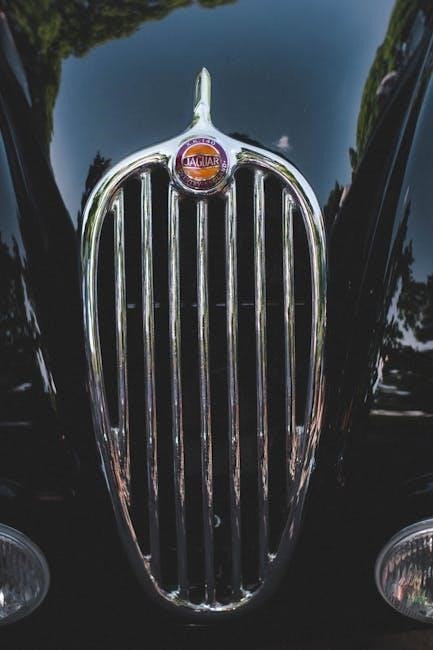
Parts availability is generally good, with both new and used options readily accessible․ SNG Barratt and eBay are popular sources for genuine and aftermarket parts․ Specialist Jaguar breakers can also supply used components at competitive prices․ Remember to verify part compatibility before purchasing, and consider joining owner groups for sourcing assistance․
Online Forums and Communities
Engaging with online Jaguar S-Type communities is crucial for owners seeking support and information․ Platforms like JaguarForums․com provide dedicated spaces for discussing maintenance, repairs, and modifications․ These forums are brimming with experienced owners willing to share their knowledge and assist with troubleshooting․
Active participation allows you to tap into a collective wisdom regarding common issues, such as transmission problems or engine faults․ Many members document their repair journeys, offering valuable insights and potential solutions․ Beyond technical assistance, these communities foster a sense of camaraderie among S-Type enthusiasts, making ownership more rewarding․
Parts Availability and Sourcing
Sourcing parts for the Jaguar S-Type generally presents a mixed bag․ While some components remain readily available through official Jaguar dealerships, prices can be substantial․ Fortunately, a robust aftermarket exists, offering both new and used parts at more competitive rates․
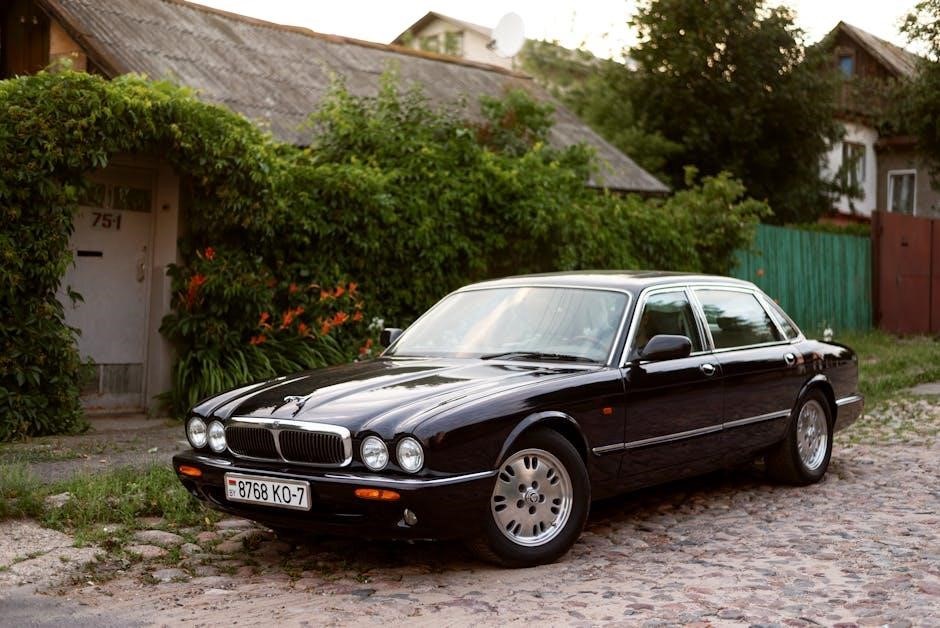
Online retailers specializing in Jaguar parts, alongside general auto parts suppliers, provide a wide selection․ Salvage yards can be invaluable for finding discontinued or hard-to-source items, but condition varies․ Exploring online forums often reveals recommendations for reliable suppliers․ Be mindful of part numbers and compatibility when ordering, ensuring a proper fit and function for your specific S-Type model and year․