

Understanding Wild Rice Blends
Wild rice blend combines the nutty flavor of wild rice with other grains, offering a nutritious and versatile culinary experience for diverse palates.
What is Wild Rice?
Wild rice isn’t actually rice, but the seed of aquatic grasses native to North America, particularly Minnesota and Canada. Historically harvested by Indigenous peoples, it boasts a distinctive nutty flavor and chewy texture. Unlike white or brown rice, wild rice is relatively low in calories and a good source of protein, fiber, and antioxidants.
Often sold in blends with other grains like brown rice, barley, or even red rice, these combinations offer varied textures and nutritional benefits. Understanding its unique characteristics is key to successful cooking, as wild rice requires longer cooking times and more liquid than refined rice varieties. It’s a truly wholesome and flavorful grain!
Components of a Typical Blend
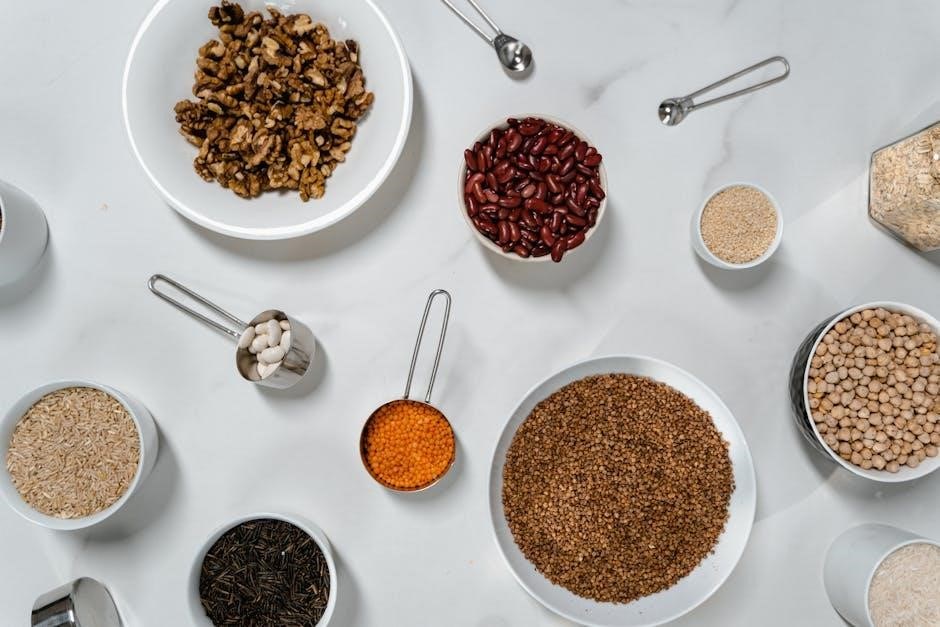
A standard wild rice blend rarely contains only wild rice. Commonly, you’ll find a mix incorporating long-grain brown rice, which adds a softer texture and quicker cooking time. Often, shorter-grain rice varieties are included for a slightly stickier consistency. Barley is another frequent addition, contributing a pleasant chewiness and nutty undertones.
Some blends also feature red rice, offering visual appeal and a subtle earthy flavor. Occasionally, you might encounter wild blends with quinoa or even lentils for increased protein content. The proportions vary by brand, impacting the overall cooking time and final texture, so checking the package is crucial for optimal results.
Preparing to Cook Wild Rice Blend
Proper preparation ensures fluffy, flavorful results! Rinsing removes excess starch, while understanding the rice-to-water ratio and pot selection are key steps.
Rinsing the Blend
Rinsing your wild rice blend is a crucial, yet often overlooked, step in the cooking process. This simple action significantly impacts the final texture and overall quality of the cooked rice. The primary purpose of rinsing is to remove excess starch that naturally coats the grains. This starch, if left unrinsed, can lead to a sticky or gummy consistency during cooking, preventing the individual grains from separating nicely.
To effectively rinse the blend, place the measured amount of wild rice in a fine-mesh sieve. Run cold water over the rice, gently agitating it with your hand. Continue rinsing until the water runs clear, indicating that most of the surface starch has been removed. This usually takes about a minute or two. Thorough rinsing contributes to a lighter, fluffier, and more enjoyable wild rice experience.
Rice to Water Ratio
Achieving the perfect rice-to-water ratio is fundamental for successfully cooking wild rice blends. Unlike white rice, wild rice requires a different proportion of liquid due to its tougher outer hull and longer cooking time. A generally recommended ratio is 1 cup of wild rice blend to 3 cups of water. However, slight adjustments may be necessary depending on the specific blend composition and desired texture.
For a slightly softer result, you can increase the water to 3.5 cups per cup of rice. Conversely, for a chewier texture, reduce the water to 2.5 cups. It’s important to measure accurately for consistent results. Remember that using broth instead of water will also impact the flavor and potentially the cooking time, so adjust accordingly.
Choosing the Right Pot
Selecting the appropriate pot is crucial for even cooking of wild rice blends. A heavy-bottomed saucepan or pot is ideal, as it distributes heat more uniformly, preventing scorching and ensuring each grain cooks consistently. Stainless steel or enamel-coated cast iron are excellent choices. Avoid using aluminum pots, as they can react with the rice and impart a metallic taste.
The pot should have a tight-fitting lid to trap steam, which is essential for proper hydration and cooking. Ensure the pot is large enough to accommodate the rice and water with ample room for expansion during cooking – at least a 3-quart pot for 1 cup of wild rice blend.
Cooking Methods
Wild rice blends offer versatile cooking options: stovetop for classic control, Instant Pot for speed, and slow cooker for convenient, hands-off preparation.
Stovetop Cooking Instructions
Begin by thoroughly rinsing 1.5 cups of wild rice blend under cold water until the water runs clear, removing any excess starch. In a medium-sized saucepan, combine the rinsed rice with 2 cups of water and a teaspoon of fine sea salt. Bring the mixture to a boil over high heat, then immediately reduce the heat to low, cover tightly, and simmer for 45-60 minutes.
Check for doneness by tasting a few grains; they should be tender with a slightly chewy texture and the grains should have split open. If the rice is still too firm, continue simmering for another 5-10 minutes, adding a little more water if necessary. Once cooked, fluff with a fork and let stand for 5-10 minutes before serving to allow the steam to redistribute.
Instant Pot Cooking Instructions
Start by rinsing 1.5 cups of wild rice blend thoroughly under cold water. Add the cleaned rice to the Instant Pot’s steel insert. Pour in 2 cups of water, ensuring the rice is fully submerged. Secure the lid, setting the valve to sealing. Select the “Manual” or “Pressure Cook” setting on high pressure for 30 minutes.
Once the cooking cycle is complete, allow for a natural pressure release for 10-15 minutes, then carefully release any remaining pressure manually. Fluff the cooked rice with a fork and let it stand for 5-10 minutes before serving. This method yields perfectly cooked, tender wild rice blend with minimal effort.

Slow Cooker Method
To cook wild rice blend in a slow cooker, begin by rinsing 1 cup of the blend under cold water. Place the rinsed rice into your slow cooker and add 3 cups of water, along with a teaspoon of salt for enhanced flavor. Cover and cook on low for 6-8 hours, or on high for 3-4 hours.
Check for doneness towards the end of the cooking time; the rice should be tender and the grains should have split open. Once cooked, fluff with a fork and allow to rest for a few minutes before serving. This method provides a convenient, hands-off approach to preparing a delicious wild rice blend.
Cooking Times & Indicators
Cooking times vary, but generally, wild rice blends require 45-60 minutes on the stovetop, 25-30 minutes in an Instant Pot, and are done when grains split.
Typical Stovetop Cooking Time
Stovetop cooking is a classic method for preparing wild rice blends, typically requiring between 45 and 60 minutes for optimal results. Begin with a gentle simmer, maintaining a consistent low heat to ensure even cooking and prevent scorching. Throughout the process, avoid lifting the lid frequently, as this releases steam and prolongs the cooking duration.
Regularly check the liquid level; if it diminishes too quickly, add a small amount of hot water to maintain sufficient moisture. The blend is nearing completion when the grains begin to split open and become tender to the bite, exhibiting a slightly chewy texture. Remember that cooking times can fluctuate based on the specific blend composition and the desired level of tenderness.
Instant Pot Cooking Time
Utilizing an Instant Pot significantly reduces the cooking time for wild rice blends, typically completing the process in approximately 30-35 minutes. Begin by rinsing the blend thoroughly and adding it to the Instant Pot with the appropriate liquid ratio – generally 2 cups of liquid for every 1 cup of rice.
Seal the lid and set the pressure cooker to high pressure for the specified duration. Once the cooking cycle concludes, allow for a natural pressure release of about 10-15 minutes before manually releasing any remaining pressure. This prevents the grains from becoming mushy. Fluff with a fork before serving to separate the grains and enhance the texture.
Signs of Doneness
Determining when a wild rice blend is perfectly cooked involves observing several key indicators. The grains should be tender yet retain a slight chewiness, avoiding a mushy consistency. A noticeable expansion of the grains is a visual cue, as they will have absorbed the cooking liquid and increased in size.
Additionally, the kernels will begin to split open, revealing the inner white portion. Taste-testing is crucial; the rice should be flavorful and not overly crunchy. If the blend still feels firm, continue cooking for a few more minutes, checking periodically until the desired texture is achieved. Proper doneness ensures optimal flavor and enjoyment.
Flavor Enhancements
Boost the taste of your wild rice blend by substituting water with flavorful broth and experimenting with various herbs and spices!
Adding Broth Instead of Water
Elevate the flavor profile of your wild rice blend significantly by replacing water with a high-quality broth during the cooking process. Chicken, vegetable, or even mushroom broth imparts a richer, more savory depth to the grains. The broth’s natural sodium content also subtly seasons the rice, reducing the need for added salt.
Consider the broth’s intensity; a bolder broth will create a more pronounced flavor. For a delicate taste, opt for a low-sodium variety. Using broth isn’t just about flavor; it also adds nutritional value, contributing to a more wholesome and satisfying dish. Experiment with different broth types to discover your preferred combination with the wild rice blend!
Seasoning Options
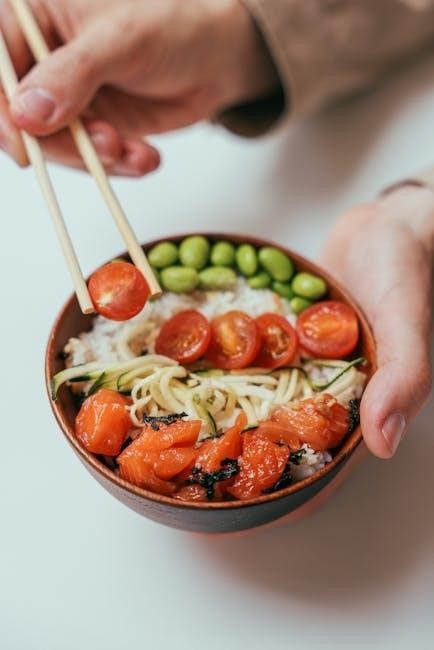
While wild rice blend possesses a naturally delightful flavor, strategic seasoning can truly enhance its appeal. Simple additions like a pinch of fine sea salt during cooking are fundamental. Beyond salt, consider aromatic herbs such as thyme, rosemary, or sage, added either during the cooking process or as a finishing touch.
For a touch of warmth, a dash of black pepper or a sprinkle of garlic powder works wonderfully. Experiment with bolder flavors like smoked paprika or a hint of cayenne pepper for a subtle kick. Don’t be afraid to incorporate fresh herbs post-cooking, like chopped parsley or chives, to brighten the dish. Remember, seasoning is a personal preference – adjust to your taste!
Serving Suggestions
Enjoy wild rice blend as a hearty side dish or creatively incorporate it into vibrant salads, adding texture and a wholesome, nutty flavor profile.
Wild Rice as a Side Dish
Wild rice blend elevates any meal when served as a sophisticated side. Its unique texture and earthy flavor pair wonderfully with roasted meats like chicken, turkey, or pork, offering a delightful contrast. Consider complementing it with seasonal vegetables – steamed asparagus in spring, roasted root vegetables in autumn, or a fresh summer succotash.
A simple preparation of wild rice blend, seasoned with herbs like thyme or rosemary, allows its natural flavors to shine. For added richness, try finishing it with a pat of butter or a drizzle of olive oil. It’s a fantastic alternative to traditional rice or potatoes, bringing both nutritional value and visual appeal to your plate.
Incorporating into Salads
Wild rice blend adds a delightful textural element and nutty flavor to salads, transforming them from simple to substantial. Its firm grains hold up well to dressings, preventing sogginess. Combine cooked and cooled wild rice blend with vibrant greens, dried cranberries, toasted pecans, and crumbled feta cheese for a colorful and flavorful salad.
Consider a vinaigrette dressing with a touch of maple syrup to complement the wild rice’s natural sweetness. It pairs beautifully with grilled chicken or salmon, making it a complete and satisfying meal. Don’t hesitate to experiment with different vegetables and proteins to create your signature wild rice salad!
Storage and Reheating
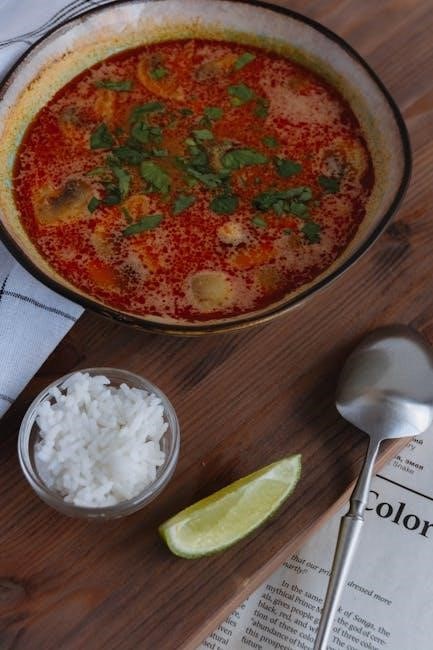
Properly stored cooked wild rice blend maintains quality for several days; reheating revitalizes its texture and flavor for enjoyable meals.
Storing Cooked Wild Rice
To ensure optimal freshness and prevent spoilage, promptly cool any leftover cooked wild rice blend. Spread it out on a baking sheet to expedite the cooling process before transferring it to an airtight container. This prevents condensation buildup, which can affect texture.
Refrigerate the cooled wild rice blend within two hours of cooking. When properly stored, it will maintain good quality for approximately three to five days. For longer-term storage, consider freezing. Portion the cooked rice into freezer-safe bags or containers, removing as much air as possible to prevent freezer burn. Frozen wild rice blend can be stored for up to several months, retaining its flavor and nutritional value.
Reheating Instructions
Reheating cooked wild rice blend is simple and restores its delightful texture. For smaller portions, microwave the rice with a tablespoon or two of water, covered, for 1-2 minutes, stirring halfway through. This adds moisture and prevents drying.
For larger quantities, or to achieve a more even reheat, use the stovetop. Place the rice in a saucepan with a splash of broth or water, cover, and heat over medium-low heat for 5-10 minutes, stirring occasionally. Ensure the rice is heated through to an internal temperature of 165°F (74°C). Adding a pat of butter or a drizzle of olive oil during reheating can enhance flavor and texture.