

This structured 24-week training plan is designed for intermediate triathletes, focusing on a balanced approach to swim, bike, and run workouts. It emphasizes consistency and progression, ensuring athletes build endurance and strength gradually. The plan is divided into phases, each targeting specific fitness goals, with rest days and nutrition strategies included to optimize performance. Perfect for those aiming to reach peak race readiness for a half Ironman event.
1.1 Overview of the Plan Structure
The 24-week half Ironman training plan is meticulously structured to guide intermediate triathletes toward race readiness. It is divided into four distinct phases: Base Building (Weeks 1-6), Building Intensity (Weeks 7-12), Peak Performance (Weeks 13-18), and Taper and Race Preparation (Weeks 19-24); Each phase focuses on specific goals, such as building endurance, increasing intensity, and fine-tuning race skills. The plan includes 3 swim workouts, 2-3 bike and run sessions, 1 strength training day, and 1 brick workout per week. Rest days are incorporated to ensure recovery, with Mondays typically designated as a rest day. This balanced approach ensures progressive overload and race-specific preparation, making it ideal for athletes aiming to peak at their half Ironman event.
1.2 Importance of Consistency and Progression
Consistency is the cornerstone of this 24-week plan, ensuring a strong foundation for endurance and skill development. Regular workouts prevent injury and build mental resilience. Progression is equally vital, with each phase increasing intensity and volume to avoid plateaus. Balancing these elements ensures athletes peak at the right time, ready for race day. Without consistency, progression becomes challenging, and without progression, athletes risk stagnation. This plan carefully structures both to guide triathletes toward their best performance.
Understanding the 24-Week Training Phases
The plan is divided into four phases: base building, intensity, peak performance, and taper. Each phase focuses on specific fitness goals, ensuring gradual progression toward race readiness.
2.1 Base Building Phase (Weeks 1-6)
The first six weeks focus on establishing a solid fitness foundation. Workouts emphasize endurance and consistency, with low-intensity sessions across all disciplines. Swimming includes technique drills and steady-paced swims, while cycling involves long, steady rides to build aerobic capacity. Running focuses on consistent mileage with one longer run each week to improve stamina; Strength training is introduced once weekly to enhance overall durability and prevent injuries. This phase prioritizes volume over intensity, allowing athletes to gradually adapt to the demands of triathlon training. Rest days are strategically placed to ensure proper recovery and progression. The goal is to create a strong base for the more intense phases ahead.
2.2 Building Intensity Phase (Weeks 7-12)
During this phase, the focus shifts to increasing intensity and building race-specific fitness. Workouts become more challenging, with higher-intensity intervals and longer endurance sessions. Swim workouts incorporate speed sets, while bike and run sessions introduce threshold efforts to improve lactate threshold. Strength training continues to support overall power and endurance. Brick workouts (bike-to-run) are introduced to simulate race transitions. This phase also includes a sprint race in Week 12, serving as a tune-up event to test race readiness and refine strategies. The intensity progression is balanced with recovery days to ensure athletes adapt without overtraining, setting a strong foundation for the upcoming peak phase.
2.3 Peak Performance Phase (Weeks 13-18)
During this phase, athletes focus on maximizing fitness and race-specific skills. Workouts intensify, with increased emphasis on threshold swims, high-cadence bike sessions, and tempo runs. Brick workouts simulate race transitions, enhancing endurance and mental toughness. Strength training shifts to maintenance, ensuring injury prevention. Nutrition strategies are refined to optimize energy levels during long sessions. Rest and recovery remain critical to avoid burnout. This phase builds confidence and sharpens race readiness, preparing athletes for the final push toward peak performance. The goal is to achieve a balance between intensity and recovery, ensuring athletes are primed for their best race-day execution.
2.4 Taper and Race Preparation Phase (Weeks 19-24)
This phase focuses on reducing training volume to allow the body to recover and peak for race day. Workouts become more race-specific, with reduced intensity and duration. Swim, bike, and run sessions are tailored to maintain fitness while avoiding fatigue. Brick workouts simulate race transitions, and rest days are increased to ensure optimal recovery. Nutrition strategies are refined, and mental preparation is emphasized to build confidence. This period is crucial for fine-tuning race-day logistics, such as gear preparation and pacing strategies, ensuring athletes feel sharp and ready for the half Ironman event.

Weekly Workout Breakdown
The plan includes 3 swim sessions, 2-3 bike and run workouts, 1 strength training day, and 1 brick session weekly, ensuring a balanced approach to triathlon preparation.
3.1 Swim Workouts (3 times per week)
The swim workouts are structured to improve endurance, speed, and technique. Each session focuses on different aspects of swimming, such as drills, intervals, and long-distance swims. The plan includes three weekly swim sessions, with one day dedicated to technique drills to enhance efficiency. Another session focuses on endurance building, incorporating longer sets at a steady pace. The third session emphasizes speed and intensity, with short, fast intervals to boost power. These workouts are designed to progressively increase stamina and confidence in the water, ensuring athletes are race-ready for the 1.2-mile swim portion of the half Ironman.
3.2 Bike Workouts (2-3 times per week)
The bike workouts are a cornerstone of the 24-week Half Ironman training plan, typically scheduled 2-3 times per week. These sessions are designed to build endurance, speed, and race-specific skills. Early phases focus on long endurance rides to enhance cardiovascular fitness, while later weeks introduce interval training and hill repeats to boost intensity. One session per week often includes a brick workout, combining a bike ride with a run to simulate race conditions. The plan also incorporates technique drills to improve cycling efficiency and reduce fatigue. Progression is gradual, ensuring athletes adapt to increasing demands without risking injury or burnout.
3.3 Run Workouts (2-3 times per week)
Run workouts are scheduled 2-3 times weekly, focusing on building endurance, speed, and race-pace efficiency. The plan includes long slow distance runs to enhance cardiovascular fitness, interval training for speed, and race-pace runs to simulate event conditions. Progression is key, with weekly mileage increasing gradually to avoid injury. Brick workouts, combining bike and run sessions, are also incorporated to improve transition efficiency. The structure ensures a balance between endurance and intensity, preparing athletes for the demands of the half Ironman run leg. Proper pacing and recovery are emphasized to maximize performance gains throughout the 24-week cycle.
3.4 Strength Training (1 time per week)
Strength training is a crucial component of the 24-week half Ironman training plan, scheduled once per week. It focuses on building core stability, lower body strength, and upper body endurance to enhance overall triathlon performance. Exercises like squats, lunges, and planks target key muscle groups used in swimming, cycling, and running. This session also includes functional movements to improve posture, balance, and power. Over the 24 weeks, the intensity and volume of strength workouts are progressively increased to align with the demands of the training phases. However, it’s designed to complement, not overwhelm, the endurance training, ensuring athletes maintain proper recovery and avoid overtraining.
3.5 Brick Workouts (1 time per week)
A brick workout involves back-to-back training in two disciplines, typically bike-to-run, to simulate race conditions. Conducted once weekly, these sessions help athletes adapt to the physical demands of transitioning between sports. The workout usually starts with a moderate bike ride, followed immediately by a run at race pace; This structure enhances race-specific fitness and reduces the risk of fatigue during transitions. Over the 24 weeks, brick workouts progress in intensity and duration, preparing athletes for the demands of the half Ironman. Proper warm-ups, hydration, and cool-downs are essential to maximize benefits and prevent injury, ensuring athletes are race-ready by week 24.

Key Components of the Training Plan
The plan includes rest and recovery days, nutrition strategies, and race-specific training to ensure athletes achieve peak performance while minimizing injury risks and optimizing overall preparation.

4.1 Rest and Recovery Days
Rest and recovery days are crucial in the 24-week half Ironman training plan, ensuring athletes avoid overtraining and allow their bodies to adapt. Typically scheduled once a week, these days help repair muscles, replenish energy stores, and maintain mental freshness. Active recovery, such as light stretching or yoga, is encouraged to promote blood flow without excessive strain. Adequate sleep and nutrition are emphasized during these periods to support overall recovery. By incorporating rest days, athletes can sustain consistent training and progress toward their race goals without risking injury or burnout.
4.2 Nutrition and Hydration Strategies
Nutrition and hydration are critical components of the 24-week half Ironman training plan. Athletes should focus on a balanced diet rich in carbohydrates, proteins, and fats to fuel workouts and aid recovery. Proper hydration is essential, especially during long bike and run sessions. The plan recommends practicing race-day nutrition during training to avoid gastrointestinal issues. Post-workout recovery meals should include a mix of carbohydrates and protein within 30 minutes of finishing. Additionally, athletes are encouraged to monitor their hydration levels by tracking sweat rates and adjusting fluid intake accordingly. A well-planned nutrition strategy ensures sustained energy levels and supports overall performance.
4.3 Race-Specific Training
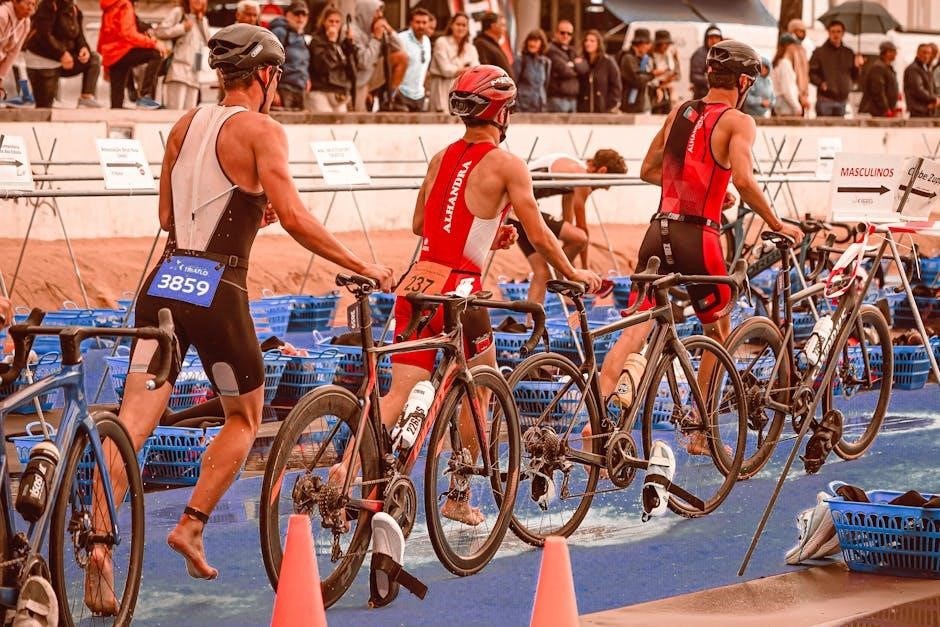
Race-specific training is a key component of the 24-week half Ironman plan, ensuring athletes are prepared for the demands of race day. This includes simulating race conditions, such as open-water swims, bike-to-run transitions, and pacing strategies. Brick workouts, which combine biking and running, are essential for adapting to the physical and mental challenges of race transitions. Additionally, the plan incorporates tune-up races, like the sprint in Week 12 and the Olympic distance in Week 16, to build race experience and confidence. These sessions help athletes fine-tune their nutrition, hydration, and gear, ensuring a seamless performance on race day.
Tune-Up Races and Progression
This plan includes three tune-up races: a sprint in Week 12, an Olympic distance in Week 16, and a half-Ironman in Week 20. These events help athletes gauge progress, build race confidence, and fine-tune strategies before the final event.
5.1 Sprint Race in Week 12
The sprint race in Week 12 serves as a key milestone to test speed, endurance, and race execution. It provides an opportunity to gauge progress and refine race strategies. Athletes can assess their swim, bike, and run efficiency under race conditions, identifying areas for improvement. The sprint race also helps build confidence and mental toughness, simulating the intensity of competition. It’s a chance to practice transitions, pacing, and nutrition strategies in a real-world setting. Completing this race allows for adjustments before entering the next training phase, ensuring athletes are on track for peak performance. Recovery post-race is crucial to avoid burnout.
5;2 Olympic Distance Race in Week 16
The Olympic distance race in Week 16 serves as a critical tune-up event, allowing athletes to test their endurance and race execution. This event includes a 1.5km swim, 40km bike, and 10km run, mirroring the demands of a standard Olympic triathlon. It provides an opportunity to assess pacing strategies, nutrition, and transitions under race conditions. The race is optional but highly recommended, as it helps build confidence and sharpens race-day skills. Athletes should approach this event at race intensity to gauge their fitness level and make necessary adjustments before the final phase of training. This race is a key milestone in preparing for the half Ironman distance.
5.3 Half Ironman Race in Week 20
The half Ironman race in Week 20 serves as a critical tune-up event, allowing athletes to test their race readiness and fine-tune strategies. This event replicates the demands of the full race, providing valuable insights into pacing, nutrition, and gear performance. Athletes can assess their endurance and mental resilience while identifying areas for improvement. The race also acts as a confidence booster, reinforcing the progress made during the training plan. It’s a dress rehearsal for the final event, ensuring athletes are prepared physically and mentally for the challenges ahead. This race is a pivotal moment in the 24-week plan, marking the transition from peak training to race preparation.

Customizing the Plan for Individual Needs
The plan allows for adjustments in volume and intensity based on individual fitness levels and goals. Athletes can incorporate personalized nutrition strategies to optimize performance and recovery, ensuring the plan aligns with their unique needs and lifestyle.

6.1 Adjusting Volume and Intensity
Customizing the plan involves tailoring workout volume and intensity to suit individual fitness levels and goals. Athletes can increase or decrease training load based on progress, ensuring steady improvement without overtraining. For example, intermediate triathletes may gradually boost swim, bike, and run distances weekly, while intensity is enhanced through interval sessions. Periodization is key, with specific phases focusing on endurance or speed. By adjusting these elements, the plan remains flexible, allowing athletes to adapt and avoid plateaus. This personalized approach ensures optimal preparation for race day, balancing challenge and recovery to achieve peak performance. Regular assessments help refine adjustments for continued progress. Consistency is maintained while catering to individual needs.
6.2 Incorporating Personalized Nutrition Plans
A well-tailored nutrition plan is crucial for optimizing performance in a 24-week half Ironman training plan. Athletes should focus on balancing macronutrients (carbohydrates, proteins, and fats) to meet energy demands and support recovery. Hydration strategies must also be personalized, especially during intense workouts and long-distance training. Periodized nutrition, aligning with training phases, ensures proper fueling for endurance and intensity sessions. Additionally, athletes should experiment with race-day nutrition during brick workouts to avoid gastrointestinal issues. Monitoring daily calorie intake and adjusting based on progress helps maintain optimal body composition and performance. A personalized approach ensures every athlete’s dietary needs are met, enhancing overall training efficiency and race readiness.

Monitoring Progress and Avoiding Injury
Track workouts and recovery using a training log or app to ensure consistency. Listen to your body, adjusting intensity as needed. Incorporate injury prevention techniques like strength training and proper recovery to maintain health throughout the plan.

7.1 Tracking Workouts and Recovery
Consistent tracking of workouts and recovery is crucial for maximizing progress in the 24-week half Ironman training plan. Athletes should use a training log or app to monitor swim, bike, and run sessions, noting distances, intensities, and feelings of fatigue. Recovery metrics, such as sleep quality, heart rate, and muscle soreness, should also be recorded. This data helps identify patterns, ensuring consistent progression and preventing overtraining. Regular reviews allow for adjustments to the plan, keeping athletes on track while minimizing injury risks. By maintaining detailed records, triathletes can optimize their performance and ensure they are race-ready by week 24.
7.2 Injury Prevention Techniques
Injury prevention is a cornerstone of the 24-week half Ironman training plan. Incorporating rest days and active recovery helps maintain physical health. Strength training, focusing on core and functional exercises, enhances stability and reduces injury risk. Proper warm-ups, dynamic stretching, and cooldowns are essential. Listening to your body and adjusting intensity when needed prevents overtraining. Technique-focused workouts, especially in swimming and running, improve form and efficiency. Cross-training and brick workouts also play a role in building resilience. Prioritizing quality over quantity ensures sustainable progress. Regularly assessing gear and training environments minimizes external risks. Consistency and awareness are key to staying injury-free throughout the program.
Mental Preparation and Race Strategy
This plan emphasizes building mental endurance through visualization and positive self-talk, while refining race strategy to optimize performance and stay focused during challenges.
8.1 Building Mental Endurance
Mental endurance is crucial for tackling the demands of a half Ironman. This plan incorporates strategies to strengthen mental resilience, such as visualization techniques, positive affirmations, and consistent goal-setting. Athletes learn to embrace discomfort during long workouts, building confidence in their ability to push through challenges. Rest days and recovery are emphasized to recharge both body and mind, ensuring a balanced approach. By focusing on progress rather than perfection, triathletes develop the mental toughness needed to stay motivated and composed during intense training and race day. A strong mind is as essential as physical fitness for achieving success in this demanding event.
8.2 Race Day Strategy and Execution
A well-structured race day strategy is crucial for maximizing performance in the half Ironman. Start with a steady swim pace to conserve energy, focusing on efficient strokes and navigation. Transition quickly and smoothly to the bike, where maintaining a consistent power output and proper hydration/nutrition are key. Avoid pushing too hard early to preserve energy for the run. On the run, begin at a conservative pace, gradually increasing effort while managing hydration and electrolytes. Incorporate walk breaks if needed to maintain energy levels. Mental resilience and focus on race execution will help overcome challenges. The 24-week plan ensures athletes are prepared to execute these strategies effectively, leading to a strong finish.
After 24 weeks of dedicated training, athletes should feel confident and prepared for race day. Review key strategies, ensure equipment is race-ready, and stay mentally focused for success.
9.1 Summarizing Key Takeaways
The 24-week half Ironman training plan is a comprehensive guide for intermediate triathletes, focusing on structured progression and balanced training. It emphasizes the importance of consistency, with a mix of swim, bike, and run workouts, along with strength and brick sessions. The plan is divided into four phases: base building, intensity, peak performance, and taper. Rest days, nutrition, and recovery are prioritized to prevent injury and enhance performance. Tune-up races at weeks 12, 16, and 20 provide opportunities to test race readiness. Mental preparation and race strategy are also highlighted as critical components for success. By following this plan, athletes can confidently prepare for their half Ironman event.
9.2 Final Tips for Success
Consistency and patience are key to excelling in the 24-week half Ironman training plan. Trust the structure and avoid overtraining, as rest days are crucial for recovery. Stay hydrated, fuel your body with balanced nutrition, and listen to your body to prevent injuries. Mental preparation is equally important—visualize your race and maintain a positive mindset. Taper wisely to ensure peak performance on race day. Review your gear, practice transitions, and stay organized. Surround yourself with a supportive community and celebrate small victories along the way. With dedication and focus, you’ll be ready to conquer the half Ironman and achieve your goals.